
January 29, 2026
She Did Everything Right for Retirement
Then the Income Stopped Making Sense
By all accounts, Linda did retirement “the right way.”
She saved consistently.
She maxed out her 401(k).
She avoided panic during market downturns.
She even worked with a financial professional to make sure her numbers “checked out.”
So when Linda retired at 64, she felt confident.
Relieved, even.
Until a few years later… when her retirement income stopped making sense.
The Plan Looked Perfect—On Paper
Linda’s retirement plan was built around a familiar rule many Americans rely on:
withdraw about 4% per year and adjust for inflation.
It sounded reasonable. Conservative, even.
Her projections showed steady income, long-term sustainability, and room for flexibility.
According to the math, her money should last well into her 90s.
But retirement doesn’t happen on spreadsheets.
It happens in real life.


When Real Life Entered the Picture
The first issue wasn’t dramatic.
It was subtle.
One year, the market dipped—and Linda still needed income. So she withdrew anyway.
The next year, inflation pushed up her living expenses faster than expected. So she withdrew a little more.
Then volatility increased.
Account balances fluctuated.
Withdrawals felt less predictable.
Suddenly, the same plan that once felt “safe” began to feel… fragile.
Linda found herself asking questions she never expected to ask:
- Why does my income feel less stable, even though I’m following the plan?
- Why do withdrawals feel riskier now than they did before retirement?
- Why does every market headline suddenly matter so much?
The Problem Wasn’t Her Discipline
Here’s the uncomfortable truth Linda eventually discovered:
She didn’t do anything wrong.
The issue wasn’t poor saving habits.
It wasn’t overspending.
It wasn’t emotional investing.
The problem was the assumption her income strategy was built on.
Specifically, the idea that a withdrawal rule designed decades ago would still work the same way in today’s retirement environment.

What the 4% Rule Doesn’t Warn You About
Most people are taught to focus on average returns.
But retirement income doesn’t operate on averages. It operates on timing.
- The timing of withdrawals
- The timing of market losses
- The timing of inflation spikes
When withdrawals and volatility collide early in retirement, even a “reasonable” strategy can begin to unravel.
Linda realized something critical:
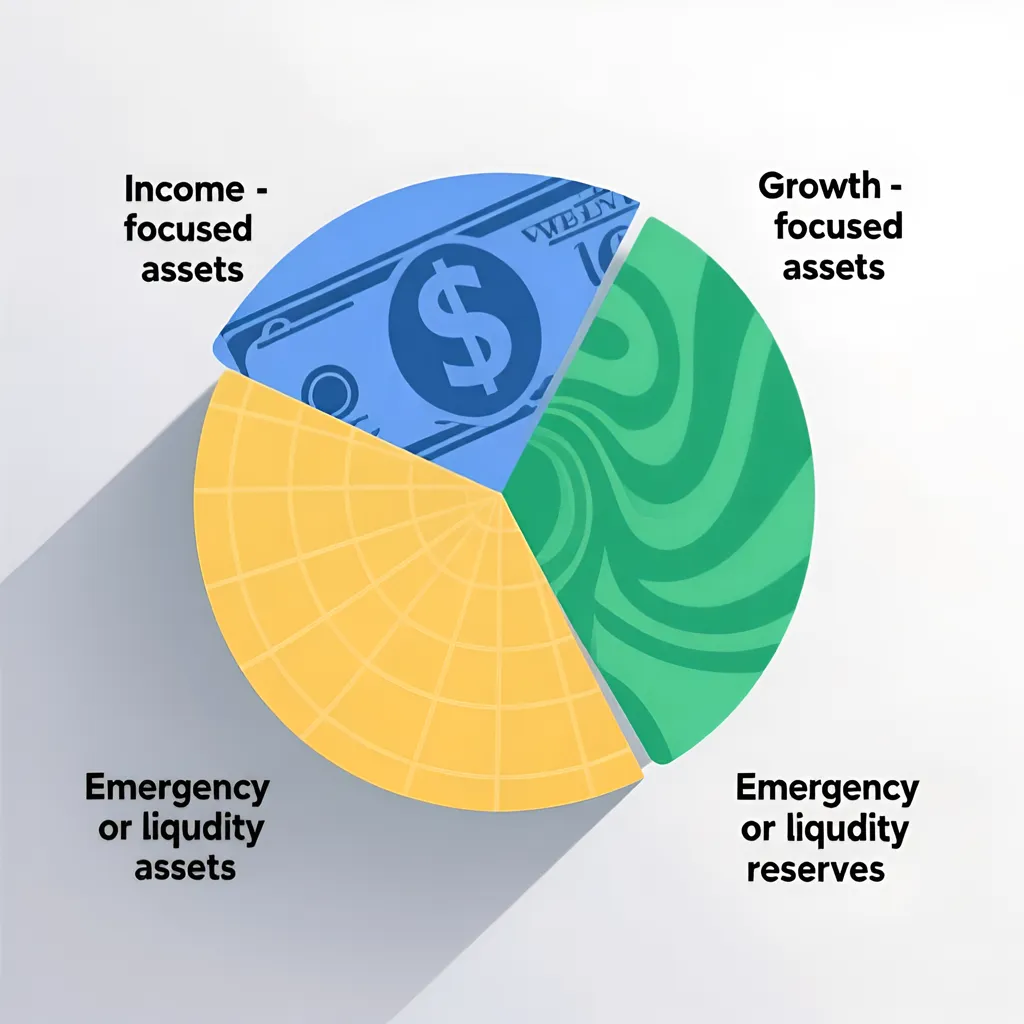
Growth and income are not the same problem—and they shouldn’t be solved the same way.

Why Income Feels Different After the Paycheck Stops
Before retirement, market ups and downs were background noise.
After retirement, they determined her paycheck.
Every withdrawal became a decision.
Every downturn created doubt.
Every year required recalculation.
Instead of enjoying retirement, Linda found herself constantly asking:
“Is this still going to work?”

A Question More Retirees Are Starting to Ask
Eventually, Linda stopped asking how much her portfolio could earn.
She started asking something more important:
“How do I create income that makes sense no matter what the market does?”
That question led her down a path most retirees are never shown—one that focuses on:
- Sustainability instead of projections
- Reliability instead of averages
- Strategy instead of rules of thumb
Why This Matters If You’re Near or In Retirement
If you’re within 5–10 years of retirement—or already retired—Linda’s story may feel uncomfortably familiar.
Because the real risk isn’t just market loss.
It’s building income around assumptions that no longer reflect today’s reality.
And that’s exactly why so many retirees are discovering that the 4% rule isn’t broken because they failed… it’s broken because the world changed.
A Webinar Explains This Clearly
This is the same issue explained step-by-step in a free educational presentation called:
“The 4% Rule Is Broken: Creating a More Sustainable Retirement Income Strategy.”
In this webinar, you’ll learn:
Why traditional withdrawal rules struggle in modern retirement
What most income plans fail to account for
How retirement income can be structured to be more predictable and resilient
What to consider before relying on market-based withdrawals
No hype.
Just a clearer way to think about retirement income.
Before You Rely on the Same Old Rules…
If you’ve done everything “right” for retirement, you owe it to yourself to understand whether your income strategy still makes sense today.
👉 Watch the webinar now and see why the 4% rule is no longer enough — and what to do instead.
(Your future income depends on the strategy you choose now.)